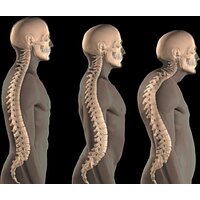
It is a curvature of the spinal column in which a scoliotic arch appears in the thoracic spine, directed to the right side. With progression, the chest is deformed, dorsal and intercostal humps appear.
Recommendations After Diagnosis
1.Watch Your Posture
Erect posture is the main prevention of scoliosis progression. To remember to keep your back straight, set a reminder on your phone or special applications. Get in the habit of keeping your back straight at all times while both walking and sitting. Is it difficult to keep track of this by yourself? We understand and recommend our ATLANT device.
- Move More
In the case of just developing scoliosis, physical activity is necessary and even indicated. Give preference to a load that evenly loads both halves of the body. Avoid sudden movements and do everything at a slow and moderate pace.
Dp more walking, do stretching, and practice pilates. We recommend active games in the fresh air.
- Take Breaks to Warm Up
While studying or working, take short breaks at your convenience. For example, 5 minutes per hour or 10 minutes for two hours. We recommend going outside for at least half an hour during your lunch break. If you can’t get out, warm up your shoulders and do a couple of simple exercises right at your desk (body turns, shoulder blades reduction, etc.).
- Swimming
Swimming in a pool or reservoir is a symmetrical load on both sides of the body, which is beneficial for scoliosis. During swimming, both arms and legs are equally involved, due to which the load is distributed evenly throughout the body. In addition, swimming relaxes the lower back and relieves pain.
- Engage in Exercise Therapy
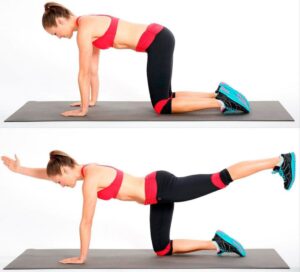
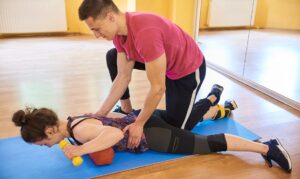
There are a lot of exercise therapy complexes on the internet, but it is better to select them together with a physical therapist. The task of exercise therapy for right-sided scoliosis of the thoracic spine is to align the posture, strengthen the muscle corset, and restore the correct functioning of the internal organs.
- Take a Course of Therapeutic Massage
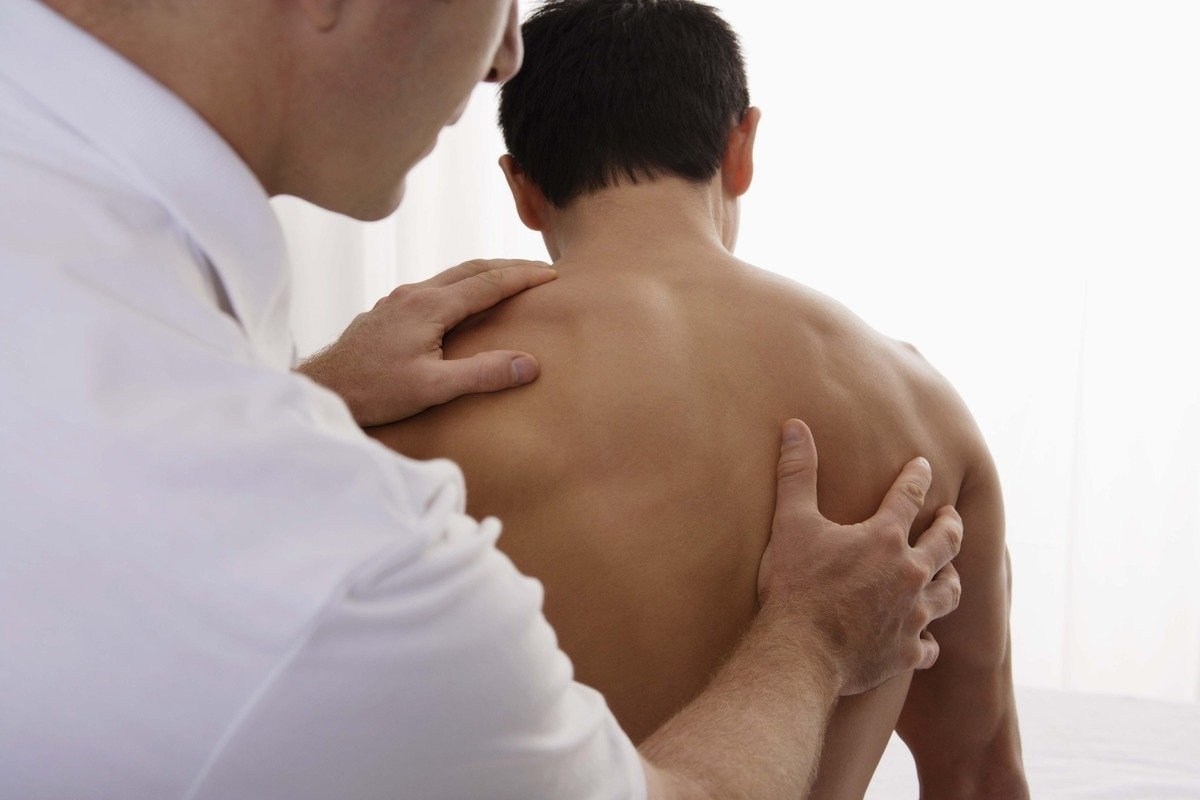
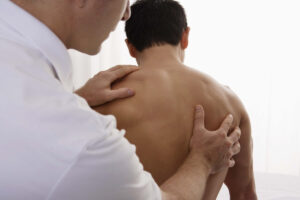
The massage not only relaxes the tight muscles that hold the spine, but also reduces the deformity of the spine. Massage therapy can even restore the correct position of the spine, but on the condition of developed muscles that can hold the “new” spine. For a visible and long-term effect, you need at least 20 procedures.
- Go to a Rehabilitation Center
There is a lot you can do by yourself but if you see a physical therapist, you can speed up the process. A physical rehabilitation therapist is a professional with a specialized education who knows the methods of restoring impaired motor activity. The physiotherapist selects effective exercise complexes, offers training on simulators, and physiotherapy procedures.
How not to aggravate your condition?
- Do not carry bags and backpacks on the same shoulder as this will exacerbate body asymmetry. Distribute the load evenly across both hands.
- If scoliosis is caused by flat feet, do not wear flat shoes. The optimal shoe height is 3-4 centimeters.
- Women who wear high-heeled shoes, do not get carried away with wearing them due to instability and hence unstable position of the spine.
- Avoid regular jumping during physical activity, especially on one leg. There is a high risk of injury and displacement of the vertebrae.
- For children, an examination by an orthopedist is recommended once a year. For adults, an examination is recommended at least once every 2 years.
- Matching the height of tables and chairs should be correct and comfortable for you.
- Sleep on an orthopedic mattress and a small (low) pillow.
Stay healthy!