icon live chat is open icon live chat is closed
Order Now
Basket
At once
0

Right-Sided Scoliosis of the Thoracic Spine

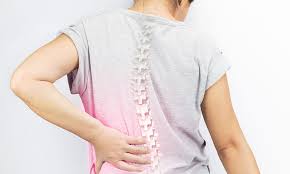
It is a curvature of the spinal column in which a scoliotic arch appears in the thoracic spine, directed to the right side. With progression, the chest is deformed, dorsal and intercostal humps appear.

Recommendations After Diagnosis


1.Watch Your Posture

Erect posture is the main prevention of scoliosis progression. To remember to keep your back straight, set a reminder on your phone or special applications. Get in the habit of keeping your back straight at all times while both walking and sitting. Is it difficult to keep track of this by yourself? We understand and recommend our ATLANT device.

  1. Move More

In the case of just developing scoliosis, physical activity is necessary and even indicated. Give preference to a load that evenly loads both halves of the body. Avoid sudden movements and do everything at a slow and moderate pace.

Dp more walking, do stretching, and practice pilates. We recommend active games in the fresh air.

  1. Take Breaks to Warm Up

While studying or working, take short breaks at your convenience. For example, 5 minutes per hour or 10 minutes for two hours. We recommend going outside for at least half an hour during your lunch break. If you can’t get out, warm up your shoulders and do a couple of simple exercises right at your desk (body turns, shoulder blades reduction, etc.).

  1. Swimming

Swimming in a pool or reservoir is a symmetrical load on both sides of the body, which is beneficial for scoliosis. During swimming, both arms and legs are equally involved, due to which the load is distributed evenly throughout the body. In addition, swimming relaxes the lower back and relieves pain.

  1. Engage in Exercise Therapy

There are a lot of exercise therapy complexes on the internet, but it is better to select them together with a physical therapist. The task of exercise therapy for right-sided scoliosis of the thoracic spine is to align the posture, strengthen the muscle corset, and restore the correct functioning of the internal organs.

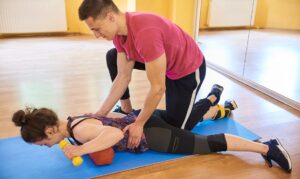
  1. Take a Course of Therapeutic Massage

The massage not only relaxes the tight muscles that hold the spine, but also reduces the deformity of the spine. Massage therapy can even restore the correct position of the spine, but on the condition of developed muscles that can hold the “new” spine. For a visible and long-term effect, you need at least 20 procedures.

  1. Go to a Rehabilitation Center

There is a lot you can do by yourself but if you see a physical therapist, you can speed up the process. A physical rehabilitation therapist is a professional with a specialized education who knows the methods of restoring impaired motor activity. The physiotherapist selects effective exercise complexes, offers training on simulators, and physiotherapy procedures.

How not to aggravate your condition?

  • Do not carry bags and backpacks on the same shoulder as this will exacerbate body asymmetry. Distribute the load evenly across both hands.
  • If scoliosis is caused by flat feet, do not wear flat shoes. The optimal shoe height is 3-4 centimeters.
  • Women who wear high-heeled shoes, do not get carried away with wearing them due to instability and hence unstable position of the spine.
  • Avoid regular jumping during physical activity, especially on one leg. There is a high risk of injury and displacement of the vertebrae.
  • For children, an examination by an orthopedist is recommended once a year. For adults, an examination is recommended at least once every 2 years.
  • Matching the height of tables and chairs should be correct and comfortable for you.
  • Sleep on an orthopedic mattress and a small (low) pillow.

Stay healthy!

Lumbar Hyperlordosis

This is an abnormal position of the spinal column in which the lumbar bend becomes too deep, the abdomen protrudes forward, and the pelvis goes back.

Recommendations After Diagnosis

1.Kinesiotherapy

Kinesiotherapy is a method of physical rehabilitation, which is recognized as one of the most effective for the treatment of hyperlordosis. It is able to influence the very mechanism of pathology formation. Kinesiotherapy is performed on multifunctional simulators accompanied by a physiotherapist.

An advantage of kinesiotherapy is the axial load on the spine and joints are excluded. The power load is strictly dosed and increases gradually. Another advantage is decompression and anti-gravity simulators are used. Those are safe for people of any level of physical fitness.

The results of the exercises are strengthening the muscle corset, getting rid of muscle spasms, and correcting diaphragmatic breathing.

2. Stretching

To get kinesiotherapy you need to contact a specialized center then stretching for lumbar hyperlordosis can be performed at home.

Exercises:

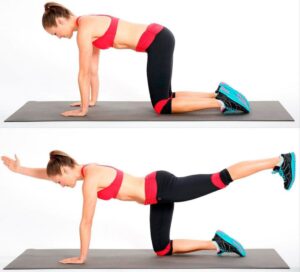
  • Cat-cow

The purpose of the exercise is to warm up and stretch the back extensor muscles. To perform it, kneel down and arch your back up, starting with the lower back vertebrae by vertebrae. Bend down starting with the chest and ending with the lower back. Repeat 5-8 times.

  • Bend over to the legs with a stretch

This exercise helps stretch the lumbar quadrate muscles and the extensor muscles of the back. To perform it, sit on the floor with straight legs stretched in front of you. Bend over without bending your knees and stretch forward for 10 seconds with a rounded back. After that, bend to the other side, holding this pose for 10 seconds and straining your back at the same time. Repeat several times from the very beginning.

  • Stretching the iliopsoas muscle on the floor

Lie on the floor on your stomach. Bend your right leg in the knee, lift your shin and grasp your ankle with your right hand. Lift your chest up, look down and keep your neck straight. When lifting, hold for a second then lower yourself on your stomach. Change your leg and repeat 5 times for each leg.

Other exercises for lumbar hyperlordosis and the correctness of their performance can be viewed on the internet and on video resources.

3.Strength Training

Strength training is needed to tone the weak muscles of the back, abdominals, hips and buttocks. Perform the following training exercises:

  • Classic and side plank position
  • All types of squats (with dumbbells, resistance bands, barbells)
  • Lunges
  • Deadlift
  • “Vacuum” of the abdomen

If you are not sufficiently prepared and confident that you can perform the exercises correctly, it is better to train with an instructor.

4.Therapeutic Massage and Back Massage

Therapeutic massages activate blood circulation, oxygenates tissues and joints, relaxes muscles, and relieves back pain.

Other recommendations for lumbar hyperlordosis:

  • Keep your back straight when walking
  • Use orthopedic shoes
  • Sleep on an orthopedic pillow
  • Doing physical exercises daily
  • Systematically reduce excess weight
  • Take vitamin D

We wish you perfect posture!

S-shaped scoliosis

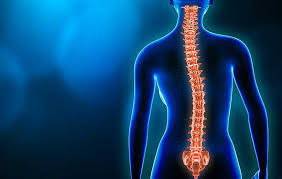
Scoliosis is a condition characterized by the curvature of the spine in the frontal plane. In S-shaped scoliosis, two curves in the spine are formed, giving it the appearance of the letter “S.”

 Recommendations after diagnosis

1.Engage in physical activity

Walk more, swim, and participate in sports that you enjoy. In the early stages of S-shaped scoliosis, you can engage in any physical activity except those that create asymmetric stress on both sides of the body. When performing any exercises, avoid abrupt movements and perform them at a slow and moderate pace.

2. Try physical therapy (LFC)

Physical therapy for scoliosis helps eliminate lateral curvature and prevent its further progression. In the case of S-shaped spinal curvature, some muscles are constantly tense, while others are relaxed. A comprehensive therapeutic exercise program should include both symmetric and asymmetric exercises to balance muscle tone and tension. It is recommended to engage in physical therapy under the guidance of a professionally trained specialist.

3. Go to the pool

Swimming is considered one of the most beneficial and safe physical activities to combat scoliosis and body asymmetry. Swimming provides symmetrical body stress since both arms and legs are equally engaged in order to swim straight, and it involves the muscles on both sides of the body.

4.Consult an osteopathic physician

Osteopathy is based on the use of specialized therapeutic techniques. The primary tool of osteopathy is the hands of the treating physician. However, it is not manual therapy in the conventional sense. The techniques used by osteopaths, unlike other forms of manual therapy, are performed only within the physiological barriers of tissues and are gentle. An experienced osteopathic physician works with the root causes of scoliosis and restores the proper alignment of bones.

5. Undergo a massage course

The goal of massage in S-shaped scoliosis is to strengthen back muscles, increase abdominal muscle tone, and reduce spinal deformity. The primary aim of massage is to restore the proper alignment of the spine. The results of the procedure depend on various factors, including the degree of curvature, the underlying causes, and age. A recommended massage course typically includes 20-25 sessions.

6. Maintain a balanced diet

Consume foods that are rich in vitamins and minerals for bone health, such as calcium, magnesium, and vitamin D.

7.Pay attention to your posture

A simple and readily available piece of advice that many people overlook. Develop a habit of maintaining a straight posture and ensure the ergonomic design of your workspace.

8. Remember symmetry

Maintain a straight posture when walking, working, or studying. Do not carry bags or backpacks on one shoulder to avoid worsening your condition.

We believe that our recommendations have been helpful to you!


Tech Neck

It is bending of the vertebrae in the neck which occurs as a result of regular and prolonged use of gadgets.

Recommendations After Diagnosis

We understand that life without a gadget is almost impossible. According to statistics, a modern person on average looks into their smartphone at least 200 times a day. But in order not to aggravate the condition, you should adhere to the following recommendations.

1.Watch the tilt of your head

The constant tilt of the head down to the gadget provokes problems with both the health and the appearance of the neck. The best solution is to correct the posture and change the position of the gadgets. The screen of a laptop, computer or tablet should be at eye level. It is better to keep the smartphone strictly in front of your face.

2.Arrange your workplace correctly

This primarily concerns the difference between the height of the table and chair. It should be comfortable so that you do not bend down straining your neck, and not stooping and lifting your shoulders.

3.Take short breaks

Change your body position more often and take time to interrupt work or reading. During the break, you can take a walk, stretch your neck, or do some exercise.

4.Exercise

Before starting the exercises, sit up straight, massage the entire neck with your fingers without pressure. Exercises should be performed slowly and carefully without sudden moves. Repeat 3-4 times.

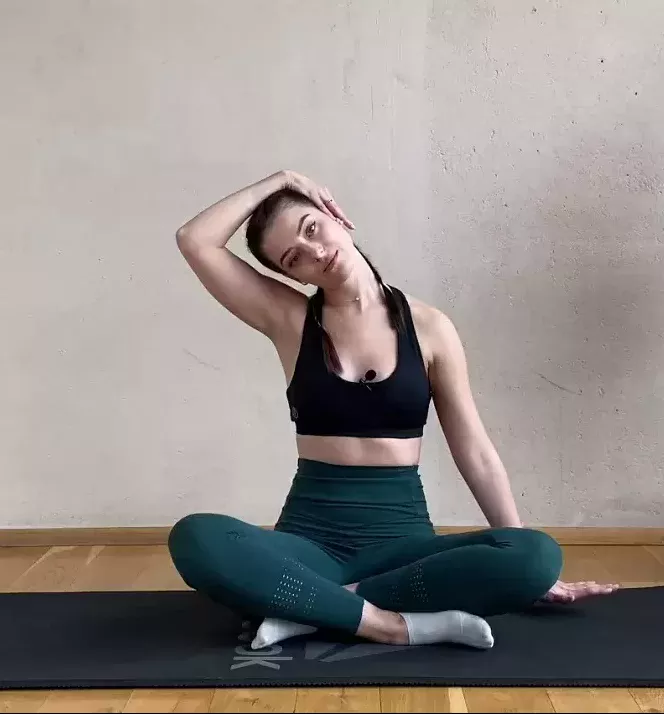
  • Head tilt back and forth, and left and right

A simple exercise, but it is important to do it smoothly avoiding circular turns of the neck.

  • Isometric stretch

It is necessary to press with the palm alternately in front, behind and on the sides of the head. Use your neck muscles to resist the pressure. Keep your head upright. One approach should last 10 seconds and the set of exercises on each side should be repeated three to four times.

5. Do Pilates and stretching

These areas have the most beneficial effect on the muscles of the back and neck. Strong muscles hold the spine and correct posture is formed, which is important for a tech neck.

6. Take a massage course

To stretch spasmodic muscles, tone them and improve or restore normal blood circulation.

7. Cut your time on gadgets

Try to realize that over time, if you do nothing and continue to sit on your smartphone for 90% of the day, the problem will worsen. This is especially important if you do not let go of your phone or laptop just out of boredom. Try to make your smartphone a part of your life but not your whole life.

Do you want to be healthy and beautiful?

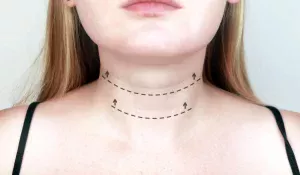
Tech neck can also cause cosmetic defects such as the so-called rings of Venus on the neck and double chin. Therefore, start following our recommendations now!


Hyperlordosis of the Neck

It is a deflection of the cervical spine over 40 degrees in which the neck is pushed forward, low set, or shifted to the side. A person with neck hyperlordosis often has dizziness and headaches.

Recommendations After Diagnosis

1. Correct Posture

In the case of a significant cervical bend, bring your shoulder blades closer and straighten your shoulders, stretching your neck so that your ears are in line with your shoulders. This is the correct posture for cervical hyperlordosis.

2. Exercises

  • Chest opening and shoulder turn

Stand up straight and place your hands behind your back. Bring your shoulders back as far as possible for you, and stay in this position for 20-30 seconds. Repeat the exercise three to five times.

  • Bends to the shoulder

Put your hands behind your back and grab your right elbow with your left hand. Stretch your head to your right shoulder while looking up. Return to the starting position and repeat the exercises for the other hand. Repeat three to five times.

  • Turns against the wall

Stand facing the wall, raise your hands to the shoulder level, and lean your hands against the wall. Keep your hands up and try to turn the body to the left, then return to the starting position and turn to the right. The exercise can be performed on a rotating gymnastic disc.

3. Exercise Therapy

If the above exercises can be performed on your own at home, the complex of exercise therapy for neck hyperlordosis is better to be selected together with a physiotherapist. Exercise therapy restores the mobility of the spine and will relieve the feeling of heaviness in the neck and shoulders.

You can find exercise therapy complexes on the internet if you are sure that you can do all the exercises correctly.

4. Massage and Manual Therapy

It is worth trying in order to correct the deflection angle, improve or normalize blood circulation in the brain, reduce pain, strengthen the neck muscles, and restore their flexibility.

5. Swimming

Swimming allows you to engage all muscle groups, including the neck. Moreover, the load is distributed evenly over the whole body, but there is no load on the spine. If you regularly go to the pool, do exercise therapy and undergo a course of massage, the situation with cervical hyperlordosis will definitely improve.

6. Nutrition

It is more related to preventive methods. To prevent your condition from progressing, regularly consume dairy products, fish, meat, eggs, herbs, nuts, and berries.

7. Correct Arrangement of the Workplace

To avoid aggravating the problem, the table and chair should be comfortable. Your computer or laptop should be placed in such a way that the sight is directed straight, and not down or up.

8. Sleeping Place

We recommend sleeping on an orthopedic mattress on a low pillow.


Stay healthy!


Round Back

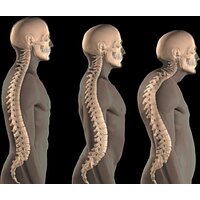
Poor posture often occurs due to muscle weakness and lack of the habit of keeping your back straight. In the case of round back, there is a decrease in lumbar lordosis with a simultaneous increase in thoracic kyphosis.

Recommendations After Diagnosis

Important!

There is always a slight bulge in the thoracic region called kyphosis. However, if the kyphosis becomes significant, it transforms in the round back as people refer to as a “hump”. We hasten to reassure you that round back is more a habit of being in an uncomfortable position. And it is easier to work with a habit than with a disease. Read the guidelines to help you.

1. Keep your back straight

An upright posture is the main thing to keep in mind. To remember to keep your back straight, set a reminder on your phone or special applications. You can also use our ATLANT device for this purpose.

2. Do Pilates

Pilates is effective for any degree of round back. However, it is important to know that the more significant the stoop, the more time it takes to cope with it. The combination of static and dynamic load has beneficial effects on the body:

  • Nutrition of the intervertebral discs improves
  • Nutrition of the spinal cartilage is activated
  • Pilates engages the deepest muscles
  • Muscle frame is formed
  • Correct posture is formed by controlling and maintaining the balance of the body


3. Exercise and Stretch

You can do exercises on your own at home to strengthen the abdominal and back muscles as well as stretching. Doing regular stretching exercises for your chest, shoulders, back, and hips can help you get the spine upright and break the habit of rounding your shoulders.

4. Watch your weight

If you are overweight, the load on the spine increases. If the excess weight is small (5-10 kg), this is not a problem. In other cases, the weight needs to be gradually returned to normal.

5. Take breaks from work to warm up

Don’t sit in one place all day. Take breaks at your convenience. For example, 5 minutes per hour or 10 minutes for two hours. At lunchtime, it is better to walk for at least half an hour. If you can’t get out, you can warm up your shoulders and do a couple of simple exercises right at the work table (body turns, shoulder blades reduction, etc.).

6. Pay attention to how you sleep

The posture you’re used to sleeping in also affects your posture. To reduce the load on the spine, it is better to sleep on your side with a small pillow between your shins. The pillow should not be high.

Straighten your back right now and be healthy!


Shopping Cart
0